What is Set-Jetting?
Set-jetting, or film tourism, is the act of traveling to real-world locations featured on screen to immerse yourself in the settings of your favorite stories firsthand. This new wave in travel blurs the lines between fiction and reality, allowing fans to step directly into the scenes that once played out on their screens–whether it’s sipping cosmopolitans in Manhattan à la Sex and the City, or soaking up the dramatic landscapes of Yellowstone.
But long before the modern streaming era, one private island in the Yasawa archipelago was already setting the stage for this global phenomenon.
Where was the movie The Blue Lagoon filmed? The Legacy of Turtle Island
For Turtle Island, in Fiji’s Yasawa archipelago, our history with film tourism is the very heartbeat of how we began. It was only after the filming of The Blue Lagoon (1980) had finished that our founder, the late Richard Evanson Snr., had the idea of inviting international guests to come and stay.
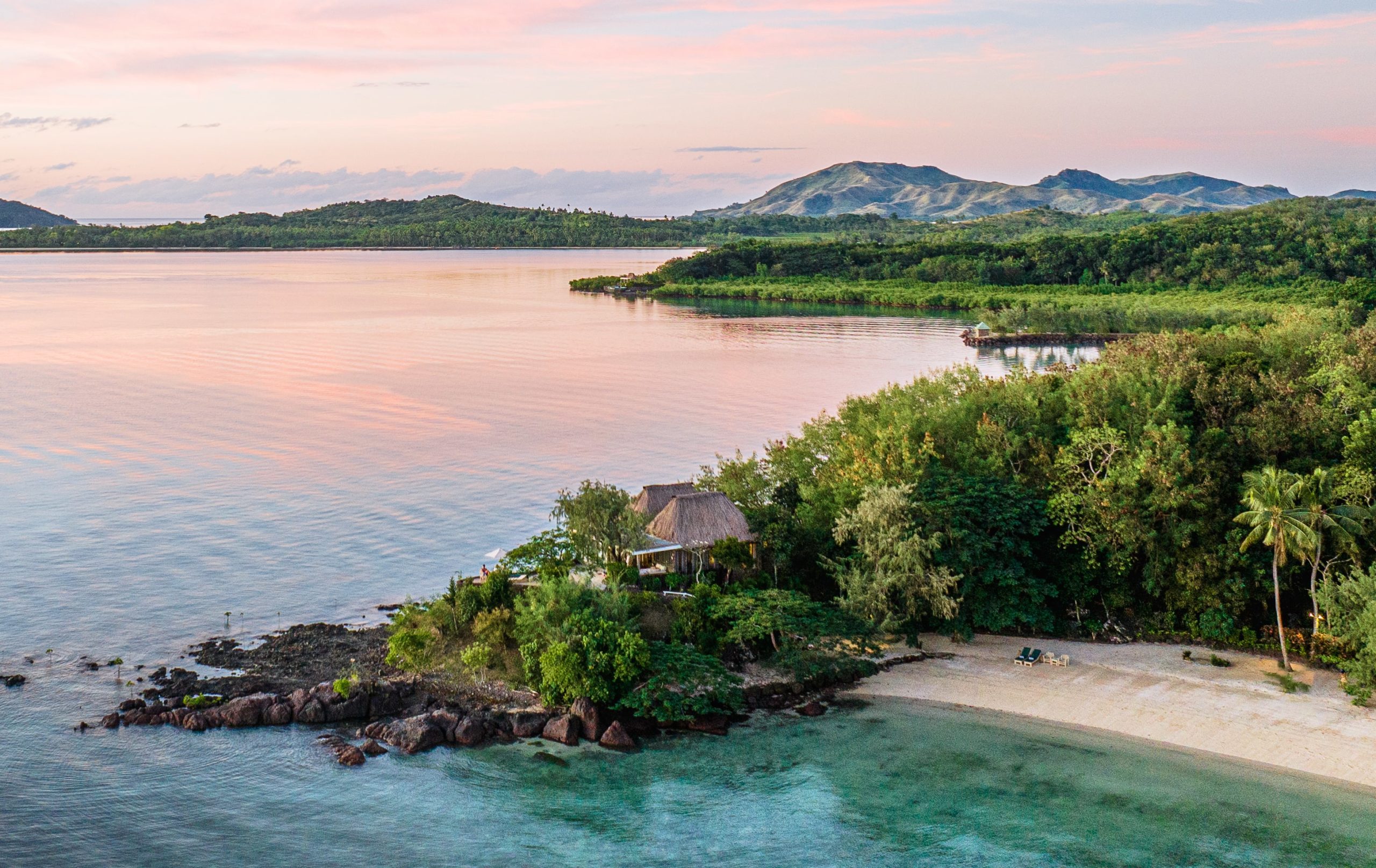
The movie drew the world’s attention to Turtle Island. This 500-acre private island became the original set-jetting hotspot, drawing romantics and adventure seekers alike to its turquoise waters and tropical landscapes. The island’s natural beauty, forever immortalized on screen, gave fans a real-life portal into the cinematic fantasy and the seed for today’s booming trend was planted.
Why is set-jetting taking off now?
Streaming platforms have changed how we consume content. Instead of waiting for weekly episodes, we can binge-watch entire seasons, becoming deeply invested in the characters, settings and stories. Add social media to the mix – where Instagrammable travel is king – and it’s easy to see why fans are booking flights to live out their screen dreams.
The result? Certain destinations and hotels are seeing an unprecedented rise in visitors, not because of guidebook recommendations, but because they played a starring role on TV.
Let’s dive into some of the most iconic set jetting destinations of the last few years.
Iconic Movie Destinations: From Sicily to the American West
Fiji: Castaway in The Blue Lagoon
Before influencers and streaming, there was a young Brooke Shields and a remote Fijian island.
Having bought Vanuya Levu, as Turtle Island was previously called, the late Richard Evanson Snr, dedicated himself to revitalizing the land, turning it into an ecological island paradise with the help of local Fijians, who assisted him in planting 300,000 trees, restoring and preserving the island’s beaches, reefs and reintroducing dozens of species of indigenous birds and wildlife.
In the 1980s, when scouting locations for its movie The Blue Lagoon, Columbia Pictures looked at more than 1,000 sites before choosing Turtle Island as the tropical paradise.
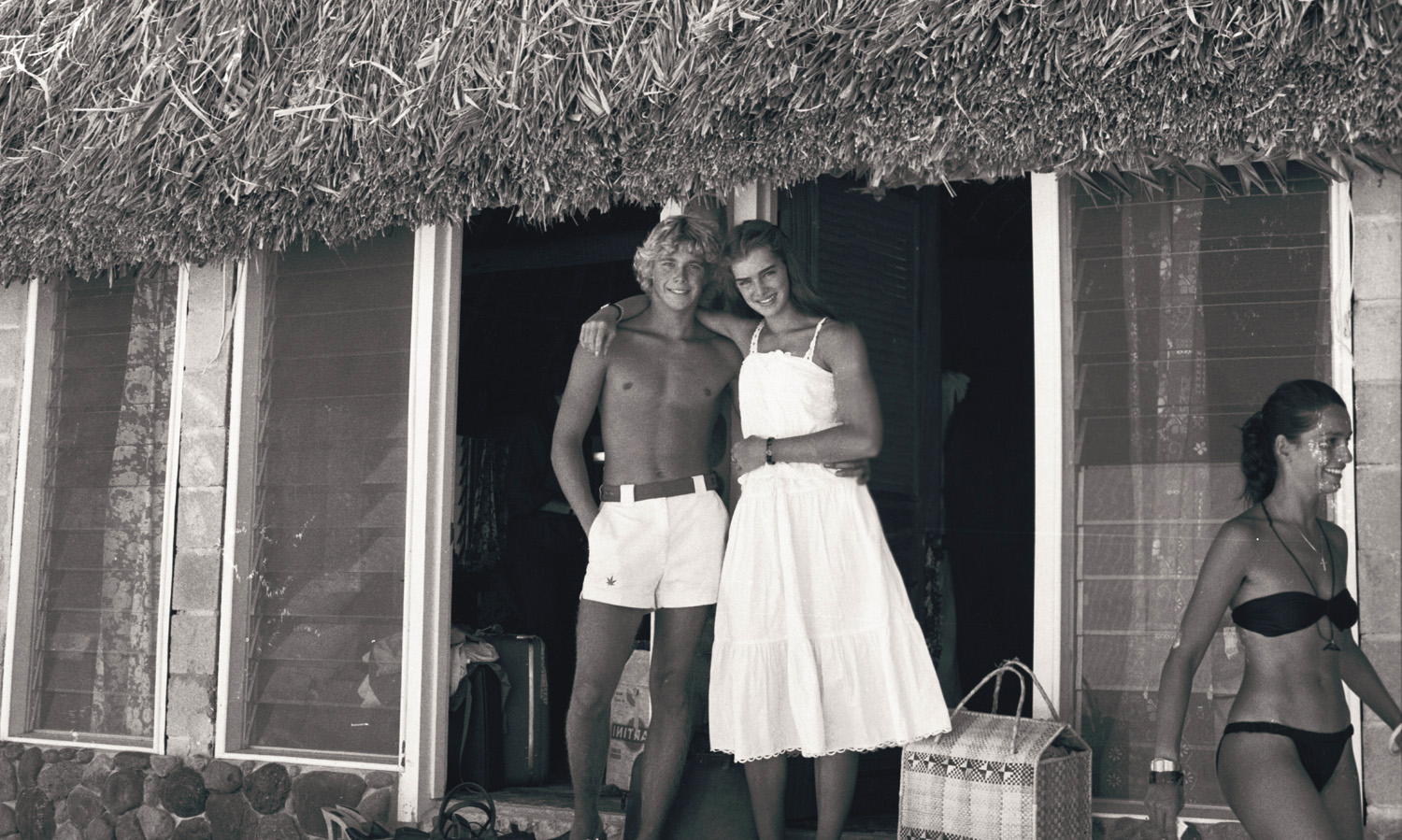
The filming lasted eight months. Bures (Fijian villas) were built to accommodate the stars of the film, Brooke Shields and Christopher Atkins, plus their entourage, as well as the director Randal Keisler and cinematographer Nestor Almendros. The bures dotted along the main beach are where the film’s editors lived and worked. The rest of the crew was put up in 30 tents on what is now called Columbia Beach.
Evanson Snr. said he had a good idea what the glamorous visitors thought of the island when, about three months into the filming, the cast and crew were given the opportunity to take a break and return to America. No one left. So once filming was over, Evanson began thinking seriously about how to turn the island into a resort, and converting the bures that had been built for the film crew into accommodation for overseas guests.
In his book, Fiji Island Refuge, Evanson wrote that he partnered with Continental Airlines and flew to a number of US cities to host private screenings with travel agents. He took several full-page ads in the New York Times and other papers, and travelled to Miami, Chicago, Boston, Los Angeles and San Francisco. Brooke Shields and Christopher Atkins even joined him at some of these events – all to publicize the film and its location on Turtle Island.
There are still vestiges of the filming left behind by the crew, including a stone god made mostly of papier mache, and to this day, on Sunday nights on Turtle Island, guests can watch The Blue Lagoon movie in its entirety.
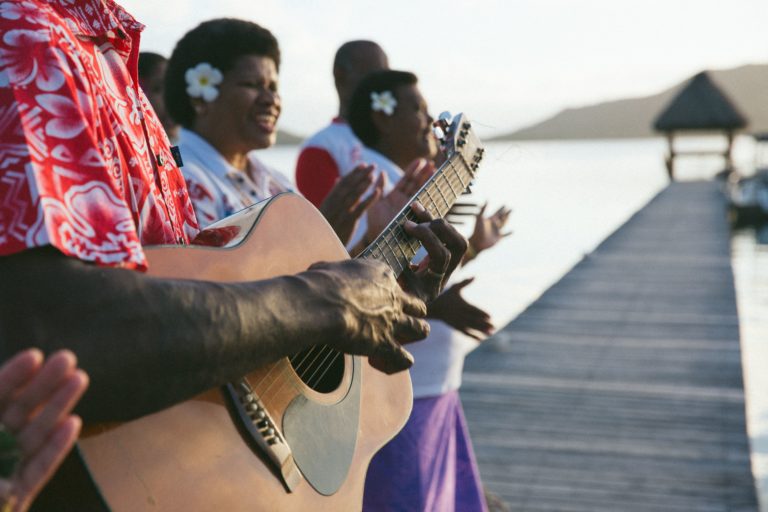
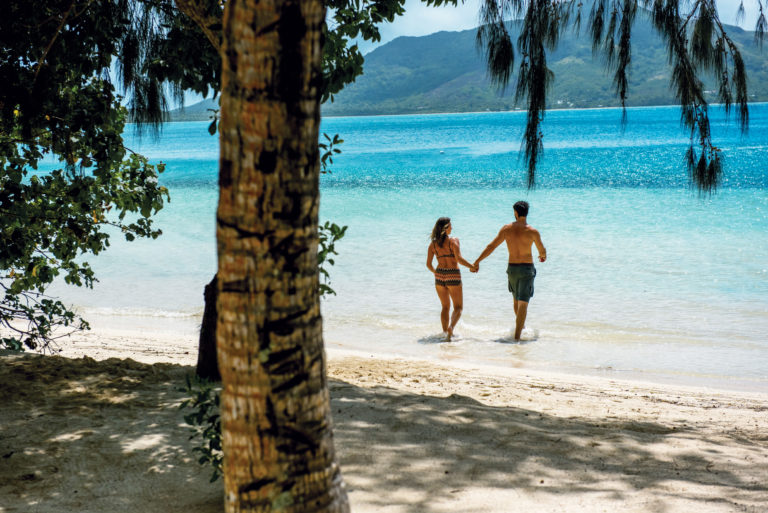
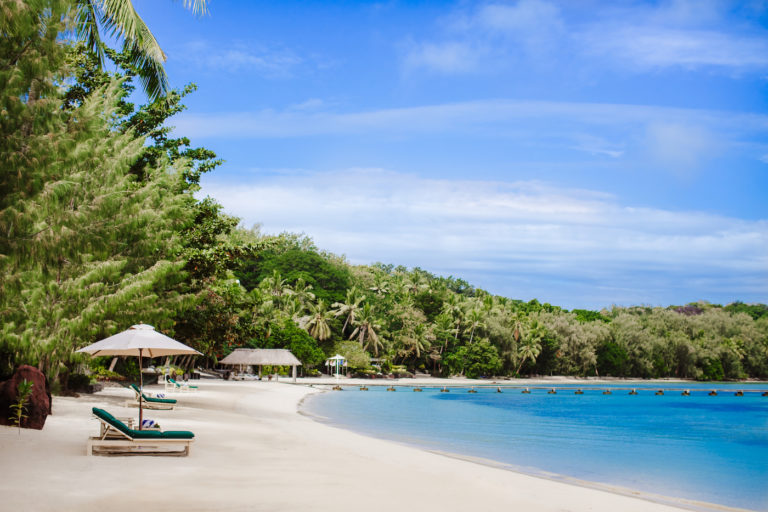
More than forty years on, Turtle Island continues to offer the ultimate fantasy of castaway romance. Guests can book an idyllic escape with crystal-clear lagoons, 12 private beaches and just 14 bures nestled into the landscape – albeit slightly more luxurious than when the film crew stayed.
New York: Sex and the City
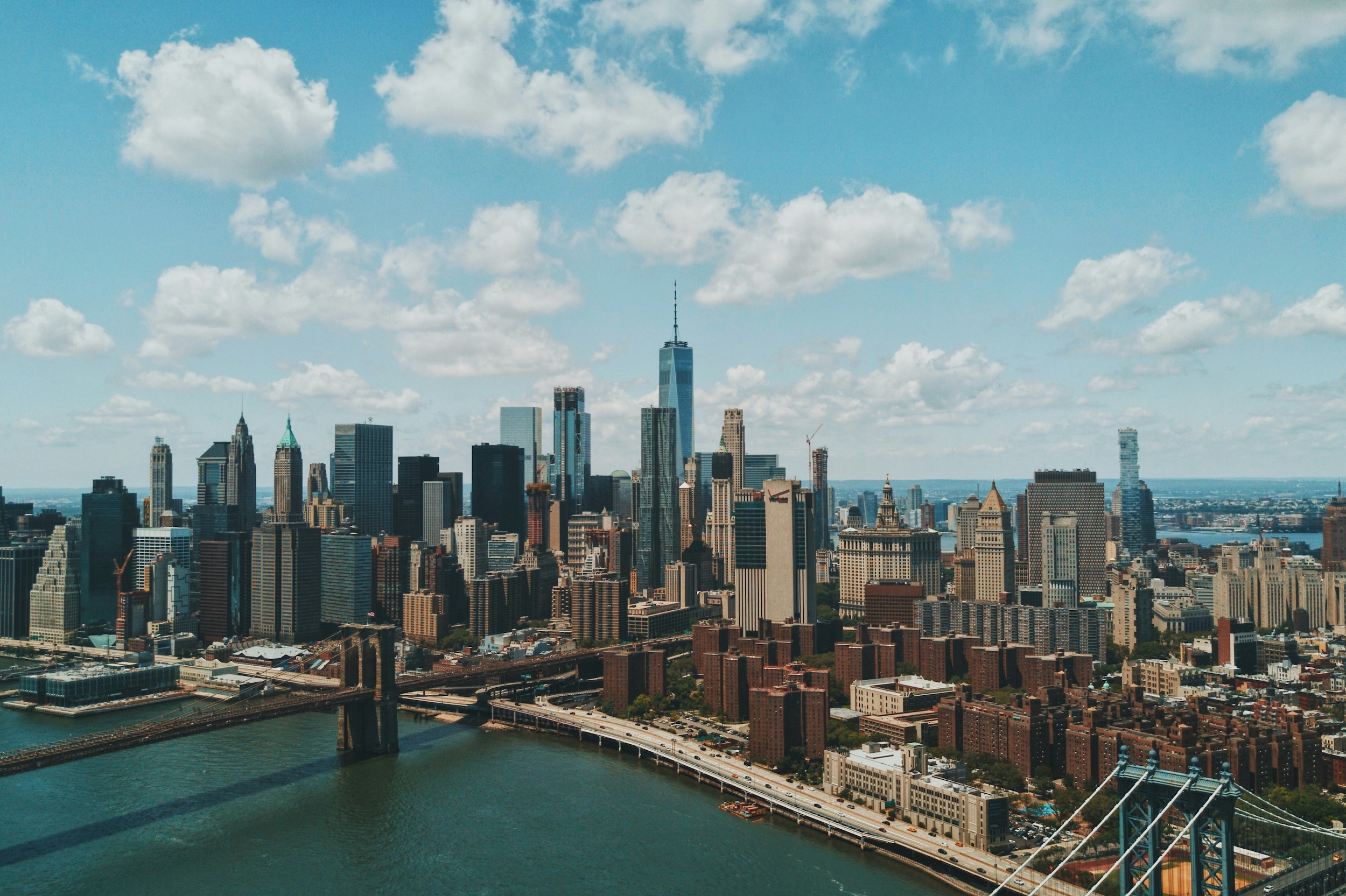
Is there another show that has made a city feel as much like a character as Sex and the City did with New York? For fans of Carrie, Samantha, Charlotte and Miranda, Manhattan isn’t just a backdrop – it’s a pilgrimage site.
Enter the Sex and the City Bus Tour, a guided experience that takes fans to more than 40 locations featured in the iconic series and subsequent films. Highlights include Magnolia Bakery (where Carrie and Miranda famously ate cupcakes), Carrie’s brownstone on Perry Street and bars where cosmopolitans were sipped and love lives dissected.
For superfans, the tour is less about sightseeing and more about connection – reliving the show’s drama, fashion and friendships while walking (and shopping) in their stilettos.
Montana: The Rugged Call of Yellowstone
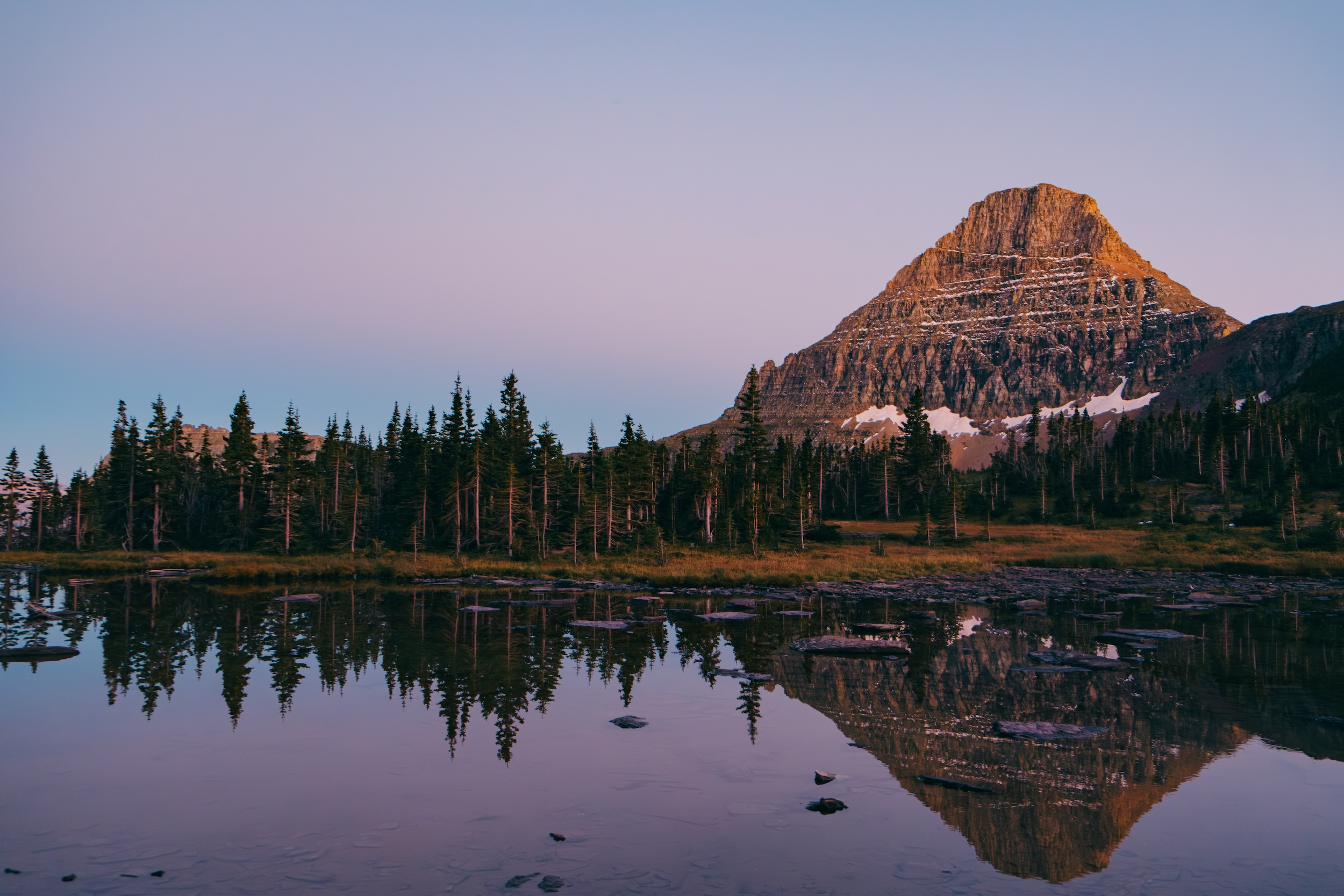
For those craving a more rugged escape, Yellowstone has transformed Montana into America’s latest dream destination.
The hit Netflix (originally Paramount) drama, centered around the powerful Dutton family and their sprawling ranch, has sparked renewed interest in Western culture and the great outdoors. Fans are now visiting the Chief Joseph Ranch in Darby, Montana, the actual filming location for the Dutton home.
The ranch offers overnight stays in cabins used on the show and even branded Yellowstone tours. Meanwhile, ranch vacations in the surrounding region are booming, with travelers looking to live the cowboy lifestyle – horseback riding, fly fishing and evenings by the fire under vast, starlit skies. And “cowboy core” fashion has even become a social media sensation, with travelers adopting the clothing needed for their ranch visits.
The White Lotus Effect: Sicily, Hawaii and Thailand
If The White Lotus taught us anything, it’s that luxury and dysfunction make for compelling television – and beautiful vacation planning.
The show’s first season was shot at the Four Seasons Resort Maui at Wailea, a beachfront paradise where viewers watched the unravelling of privileged characters against palm-fringed perfection. After the series aired, the resort saw a spike in bookings. Fans were eager to soak in the same infinity pools and ocean views that framed the drama.
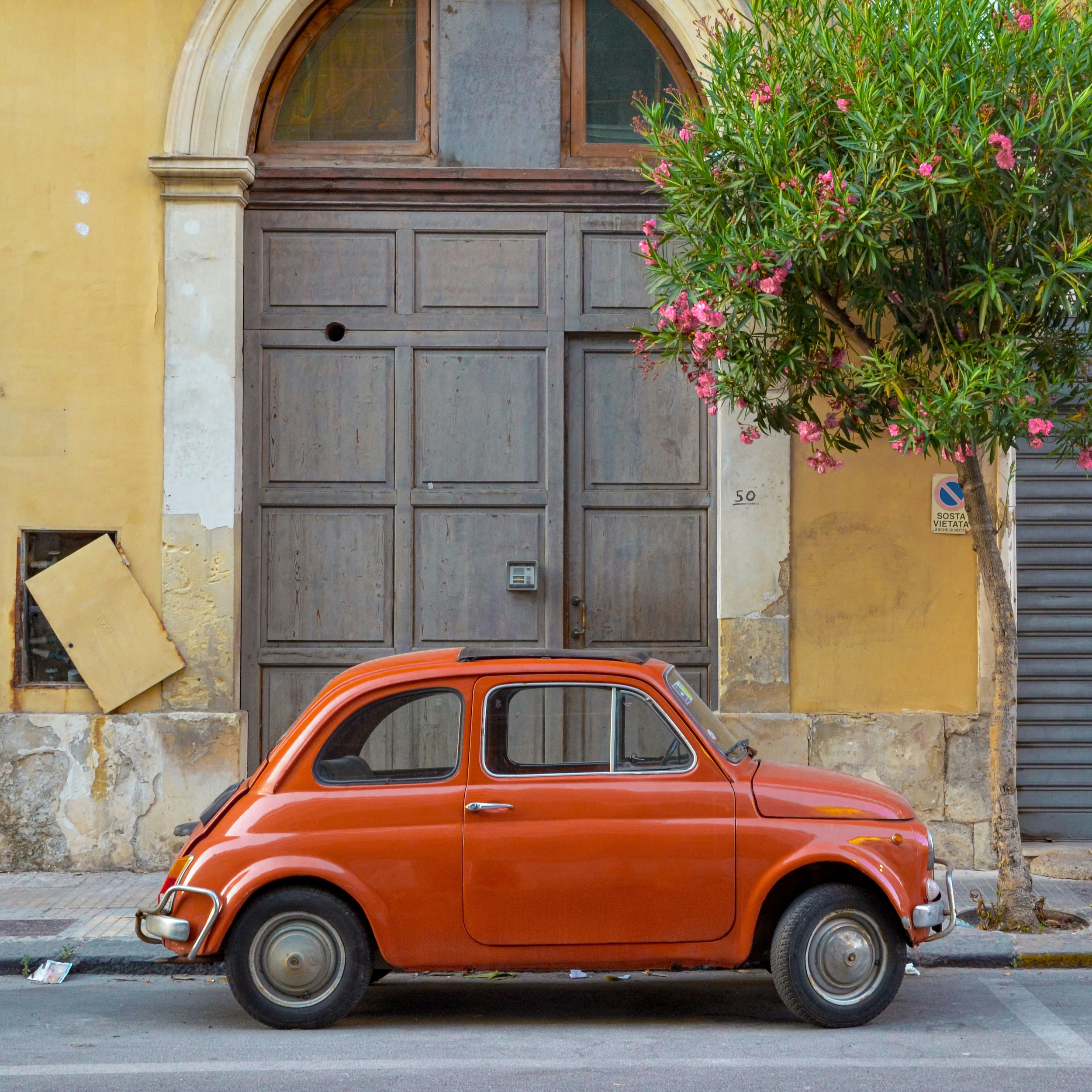
Season two transported the story to Sicily, specifically the San Domenico Palace, another Four Seasons property located in the hilltop town of Taormina. With its Baroque architecture, views of Mount Etna and opulent interiors, it became the next must-visit stop for travelers looking to chase the White Lotus vibe, albeit minus the scandal.
When it was announced in mid-2024 that Thailand would be the location for the TV show’s third season, global interest in travel to the country soared, with booking platforms reporting immediate increases in searches and airlines even adding extra weekly flights to Phuket.
Minor Hotels – owner and operator of more than 30 hotels in Thailand – certainly felt the ‘White Lotus effect’ with three of its Anantara properties that served as principal filming locations for the series experiencing a surge in online interest and bookings after the show aired.
The hotel group also reported that web traffic for all its luxury properties in Thailand witnessed a growth in global web traffic, up nearly 40% year on year in February 2024, raising awareness not only of Minor Hotels’ properties but helping to position Thailand as an international luxury leisure destination.
France has been named as the location of the fourth series, but there are no clues yet as to which of the three Four Seasons’ locations in Paris, Megeve, or the Côte d’Azur will be featured.
The so-called White Lotus Effect has since become travel industry lingo. Luxury hotels featured in the series see immediate booms in interest, proving that scripted vacation dramas can lead to real-world travel results.
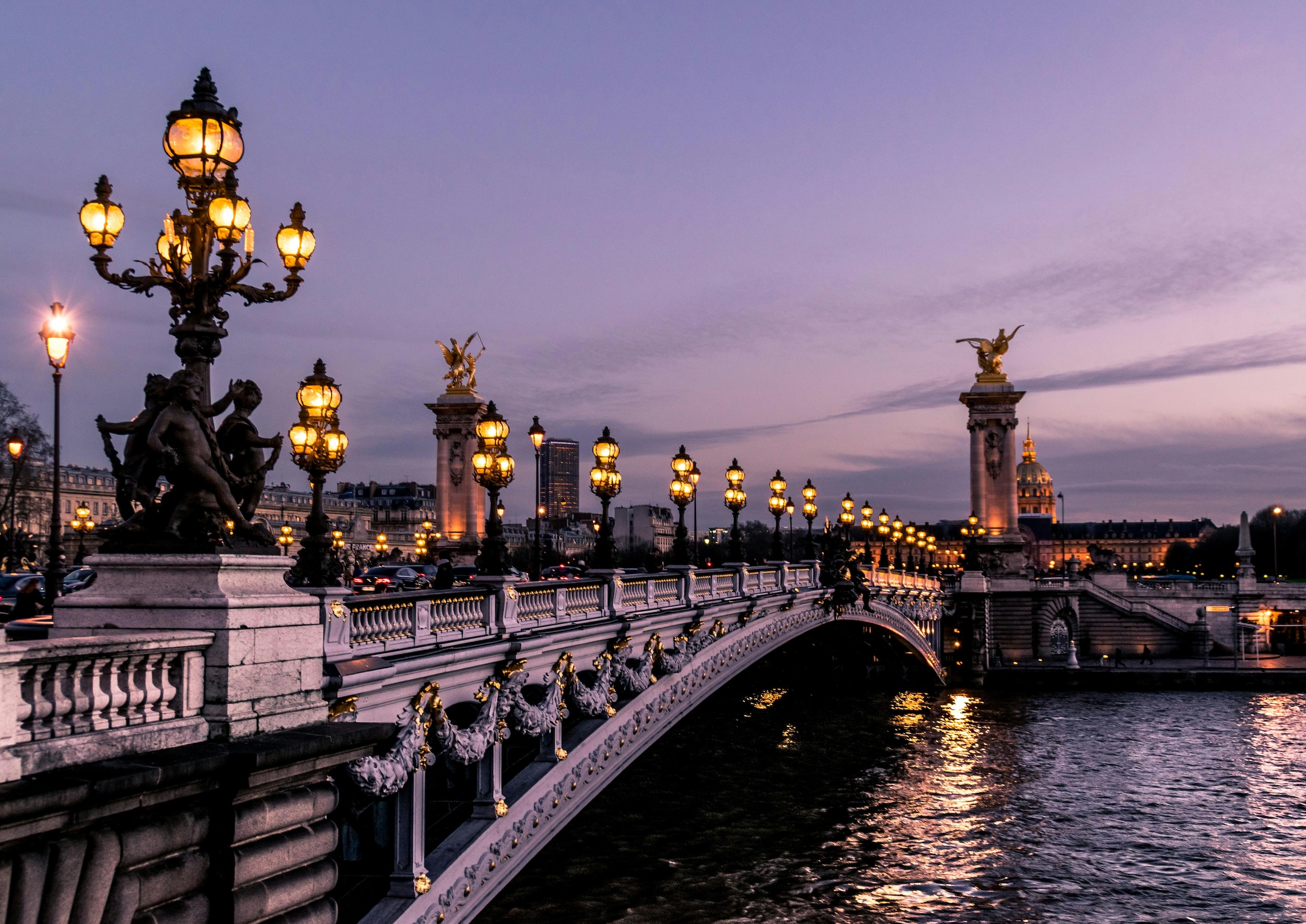
Paris: The Romance of Emily in Paris
Critics may debate the show’s accuracy, but there’s no denying Emily in Paris has inspired a new generation of Francophiles.
Thanks to its romanticized portrayal of Parisian life – croissants, couture and cobbled streets – tourism to the French capital, particularly among younger audiences, has spiked. Travel platforms like Expedia and Airbnb reported increased searches for Paris shortly after each season’s debut.
Set-jetters can visit Emily’s apartment in Place de l’Estrapade, dine at the real-life Café de Flore or even take themed tours through the Marais and other filming locations. And while real Parisians might raise an eyebrow, local businesses are welcoming the new influx of TV-inspired tourists.
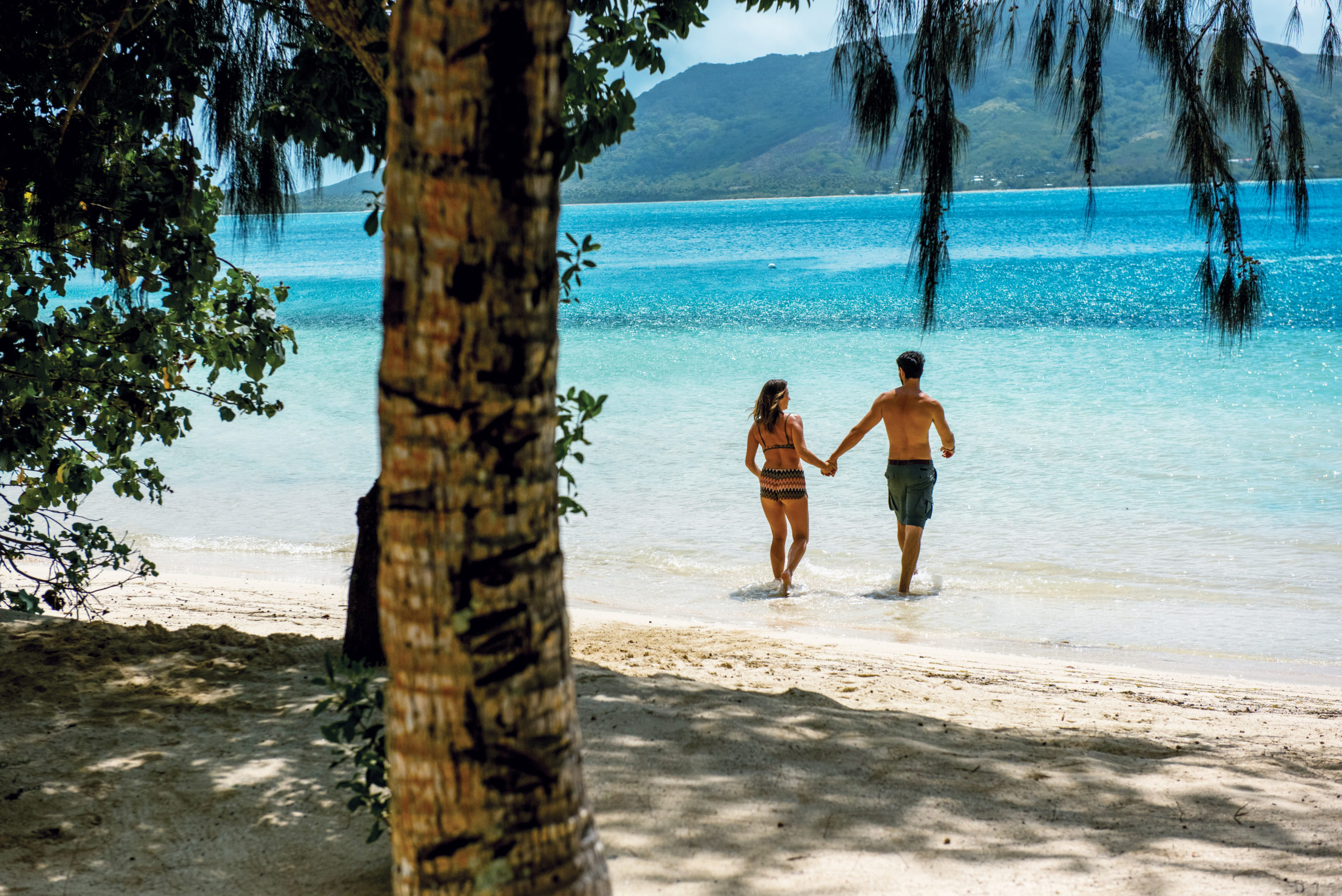
Set-jetting is reshaping the travel industry
Travel agencies, tourism boards and hotels are taking note. Many destinations now lean into their on-screen fame, offering themed experiences, behind-the-scenes tours and even marketing campaigns based on shows and movies. It’s a shift from traditional tourism to storytelling travel – where people want resonance, as well as relaxation. And obviously some Instagrammable shots.
Set-jetting also appeals to travelers of all ages. Whether you’re a Millennial fan of Emily in Paris, a Gen X devotee of The Blue Lagoon, or a Yellowstone enthusiast dreaming of Big Sky Country, there’s a destination waiting to bring your favorite fiction to life.
So next time you binge a series or rewatch a movie, pay attention to the scenery. You might just be looking at your next vacation destination. Get in touch with Turtle Island today to begin planning your own cinematic getaway to the idyllic paradise of The Blue Lagoon.