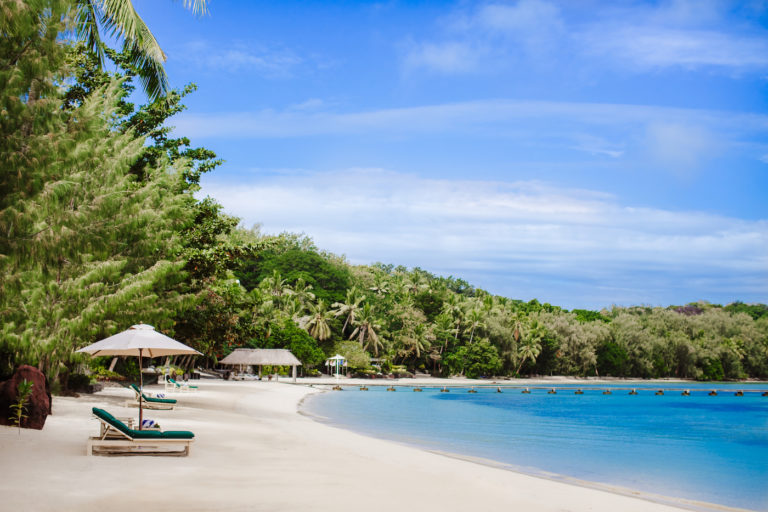
Turtle Island Fiji is a dream vacation destination. Numerous people, maybe even you have Turtle Island ranked high on their bucket travel list. Turtle Island gives the traveler numerous reasons to visit from exploring the natural habitats to participating in recreational activities. You may want to consider the seven top reasons to visit an all inclusive Fiji resort.
Plan Your Journey to Turtle Island
Looking for more than a getaway—something rooted in beauty, meaning, and lasting connection? Turtle Island offers more than a dream vacation—it’s a return to nature, to privacy, and to deeper purpose. From romantic seclusion on one of twelve private beaches to world-class diving and immersive cultural experiences, every moment is designed to restore and inspire.
Whether you’re drawn to the island’s breathtaking landscapes or its deeper ties to environmental stewardship and Indigenous respect for land, your time here is more than a stay—it’s a story worth living.
Book now to reserve your villa, or explore our experiences to see what makes this all-inclusive Fiji resort so extraordinary.
1. Luxury

2. Privacy
3. All Inclusive
4. Romance

5. Diving
6. Boating
7. The Beaches

Discover the Unique Culture and History
The name Turtle Island refers to more than just a beautiful destination—it carries deep meaning for many Indigenous peoples of North America. Rooted in various Indigenous oral histories, Turtle Island is the traditional name for the continent, reflecting a creation story that has shaped the cultural beliefs and identity of Native American communities for generations. According to these stories, the world as we know it was created on the back of a giant turtle, symbolizing the earth, land, and all living things. The origin of Turtle Island is described in Indigenous creation stories, where the formation of land and life is attributed to the actions of supernatural beings and animals.
In many Indigenous cultures, the turtle is a powerful symbol of life, creation, and the natural world. The creation story of Turtle Island, often told through the journey of Sky Woman—sometimes described as the pregnant Sky Woman who descended from the Sky World in a burst of light or glow—and the animals who helped create land, highlights the profound respect that Native American philosophy has for the environment. In these stories, Sky Woman falls from a tree whose roots were disturbed, and animals like the beaver play a significant role in retrieving mud from the water’s depths. The mud is then placed on the turtle’s back, which serves as the foundation of the earth. Eventually, the land gradually forms and expands on the turtle’s back, becoming Turtle Island. These stories emphasize the act to create life and the power of supernatural beings, such as Sky Woman or Nanabush, who are depicted as supernatural beings with the ability to shape the world and its features.
The concept of Turtle Island embodies the idea that humans are deeply connected to the earth and all its creatures. This connection is at the heart of Indigenous identity and is reflected in the way communities live, honor their ancestors, and pass down traditional knowledge. Preserving these stories through Indigenous languages is vital, especially given the historical context of colonization and the suppression of culture. The role of government has been significant, both in supporting and, at times, suppressing Indigenous culture, languages, and sovereignty. By understanding the origins and meaning behind the name Turtle Island, visitors can gain a deeper appreciation for the land, its history, and the enduring cultural beliefs that continue to inspire hope and respect for the natural world.
Environmental Significance
Turtle Island is not only a place of breathtaking beauty, but also a symbol of environmental stewardship and balance. The vast territories that make up Turtle Island—its mountains, forests, rivers, and oceans—are home to an incredible diversity of life. For countless generations, Indigenous peoples have lived in harmony with these lands, drawing on their deep understanding of the natural world to protect and sustain the environment.
The creation story of Turtle Island, where animals like the muskrat embark on a journey to create land on the turtle’s back, serves as a powerful reminder of the importance of perseverance and respect for nature. In these stories, the turtle is often seen as providing support for the world, symbolizing life, culture, and environmental respect. This story, cherished by Indigenous cultures, teaches that every living thing has a role to play in maintaining the delicate balance of the earth. The muskrat’s determination and the turtle’s strength are celebrated as examples of how life, land, and community are interconnected.
Today, the protection of Turtle Island and other Indigenous lands remains a vital part of environmental activism. Indigenous communities continue to lead efforts to preserve traditional ecological knowledge and promote sustainable ways of living. Plants hold a central place in Indigenous knowledge, serving as sources of traditional medicines and playing vital roles in cultural and environmental practices. Their belief that the earth is a living, breathing relative underpins many campaigns to protect the environment for future generations. Indigenous peoples are also fighting for environmental justice and cultural survival, confronting ongoing injustices and advocating for the rights of their communities. By honoring these stories and supporting the stewardship of Turtle Island, we can all play a part in safeguarding the natural world and ensuring that its beauty and vitality endure for years to come.
As we look to the future, it is essential to remember that children are the inheritors of these traditions. Protecting Turtle Island means ensuring that future generations of children can continue to learn from, care for, and thrive within these lands.
The Heart of Turtle Island: Philosophical Connections
At the core of what Turtle Island refers to is a deep and enduring respect for the natural world—a value that is central to Native American philosophy and the teachings of Indigenous peoples across North America. This concept is woven through various Indigenous oral histories, where the name Turtle Island is not just a label for the land, but a living story of creation, connection, and care for the earth.
According to these creation stories, the world began as a vast ocean, with no land in sight. In the search to create land, animals dove into the depths of the ocean, each trying to bring up soil from the bottom. It was the muskrat, the last animal to attempt the journey, who succeeded in bringing up a small amount of wet soil, sacrificing its life in the process. This soil was placed on the back of a great turtle, and from this humble beginning, the continent—Turtle Island—was formed. The turtle became a symbol of the earth itself, carrying the land and all living things upon its back.
This creation story, shared in various forms among Indigenous cultures, highlights the profound respect for the environment and the interconnectedness of all life. The muskrat’s selfless act and the turtle’s enduring strength are reminders that every animal, every element of the natural world, plays a vital role in the creation and sustenance of life. The story also reflects the belief that the land is not just a geographical entity, but a living, breathing relative—one that deserves care, gratitude, and protection.
Through these Indigenous oral histories, the concept of Turtle Island teaches us that our relationship with the earth is sacred. It calls on us to honor the soil, the animals, and the environment, recognizing that our well-being is inseparable from the health of the planet. By embracing the wisdom of these stories, we are invited to live with greater respect for the land and to see ourselves as part of a larger, interconnected world.
Giving Back: Community Engagement on Turtle Island
Community engagement is at the heart of life on Turtle Island, reflecting the values and traditions of Indigenous peoples who have long served as stewards of the land. For Indigenous cultures, the environment is not just a resource, but a breathing relative—a living presence that shapes identity, culture, and community. This perspective transforms the land from a mere geographical entity into a cherished member of the family, deserving of respect and care.
On Turtle Island, giving back means more than just preserving the natural world; it involves actively nurturing the land and revitalizing the cultural roots that sustain it. Indigenous communities lead by example, working to restore traditional names, protect sacred sites, and pass down ancestral knowledge through language revival and cultural festivals. These efforts help to strengthen the bonds between people and place, ensuring that the stories, songs, and wisdom of the past continue to inspire future generations.
Environmental conservation initiatives are another vital aspect of community engagement on Turtle Island. From reforestation projects to sustainable harvesting practices, Indigenous peoples demonstrate how humans can live in harmony with the land, creating a balance that supports both nature and community well-being. These examples of stewardship serve as powerful reminders of the hope and resilience that define Turtle Island’s journey.
By supporting these initiatives and learning from Indigenous perspectives, both Indigenous and non-Indigenous communities can work together to create a brighter future. The ongoing journey toward reconciliation and healing is built on mutual respect, shared responsibility, and a profound connection to the land and its living inhabitants. On Turtle Island, every act of giving back—no matter how small—helps to create a world where humans, animals, and the environment can thrive together.